



When is coffee harvested during the year?
I. Coffee harvesting process and the importance of harvest time
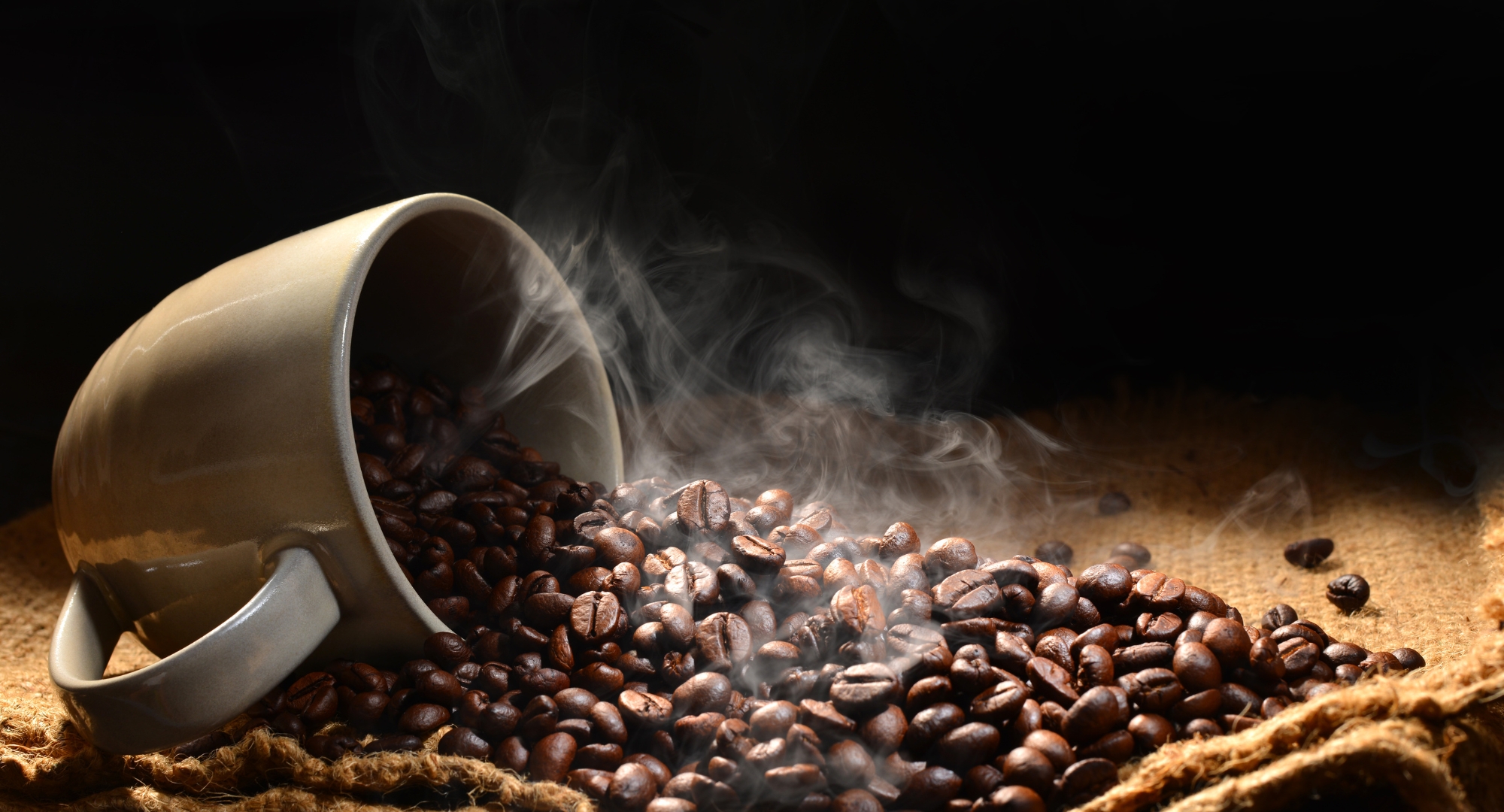
Coffee harvesting is an important stage in the coffee production chain, greatly determining the quality of the final coffee beans. This process requires meticulousness and technique to ensure that the ripest, highest quality coffee beans are obtained. Coffee harvesting time is very important because it directly affects the flavor and quality of the coffee beans.
When the coffee berries are ripe, the compounds that create the flavor will reach their most perfect level. If harvested too early, the coffee beans will be sour and lack flavor. Conversely, if harvested too late, the coffee beans may be over-fermented, resulting in a sour or bitter taste.
II. Why is coffee harvesting time important?

Coffee harvesting time is a factor that greatly determines the quality of the final coffee beans. Harvesting at the right time will help us get delicious, high-quality coffee beans with the characteristic flavor of each coffee variety. Here are some reasons why harvesting time is important:
Ripeness of the fruit: When the coffee fruit is ripe, the compounds that create the flavor will reach their most perfect level. If harvested too early, the coffee beans will taste sour and lack flavor. If harvested too late, the coffee beans may be over-fermented, resulting in a sour or bitter taste.
Impact on the processing process: Harvesting time directly affects the natural fermentation process of the coffee fruit after harvest. If harvested at the right time, the fermentation process will take place naturally and perfectly, helping to create high-quality coffee beans.
Coffee bean quality: Coffee beans harvested at the right time will have a uniform size, good weight and are less susceptible to pests and diseases. Coffee beans will have a beautiful, shiny color and retain their natural aroma.
Coffee flavor: Harvest time directly determines the flavor of the coffee. Fully ripe fruit will produce coffee beans with a balanced, rich flavor, which can be sweet, slightly sour or fruity depending on the coffee variety. To illustrate more clearly, imagine the coffee bean as a ripe fruit. When the fruit is fully ripe, it will have the sweetest taste and most characteristic aroma. If the fruit is picked too early, it will be sour and not delicious. On the contrary, if the fruit is left to ripen too much, it will be soft, damaged and no longer retain its natural sweetness.
III. Coffee harvest time
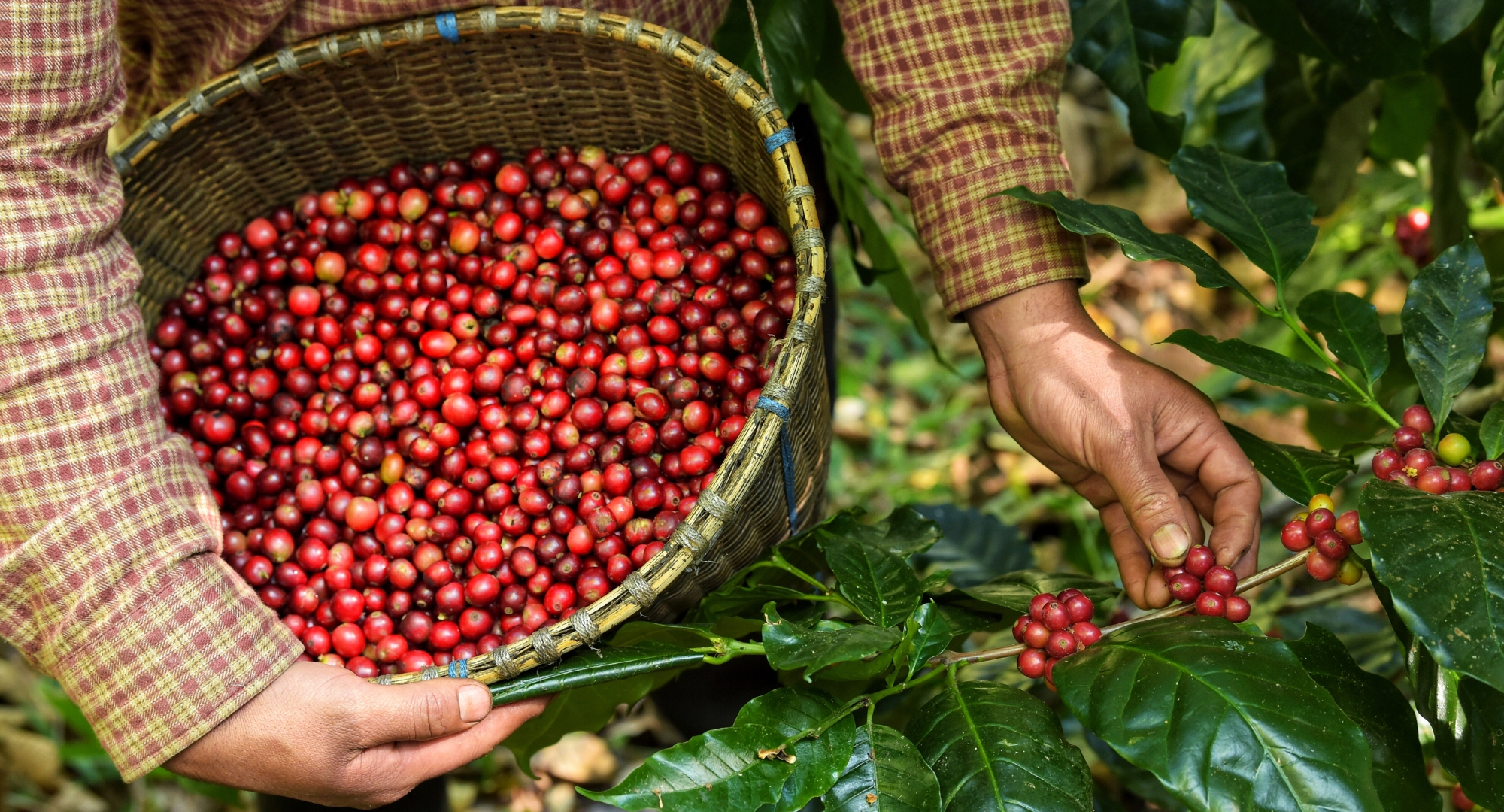
Coffee harvest time in Vietnam usually falls during the dry season, when the weather is favorable and the coffee beans are fully ripe. However, the specific time may vary depending on the region and coffee variety.
- Robusta coffee: The most popular type of coffee in Vietnam is usually harvested from October to January of the following year. The Central Highlands provinces such as Gia Lai, Dak Lak, Dak Nong usually start harvesting from mid-October.
- Arabica coffee: This type of coffee is usually grown in the Lam Dong plateau. The Arabica coffee harvest period can last from September to November of the following year for the main crop.
IX. Coffee harvesting process
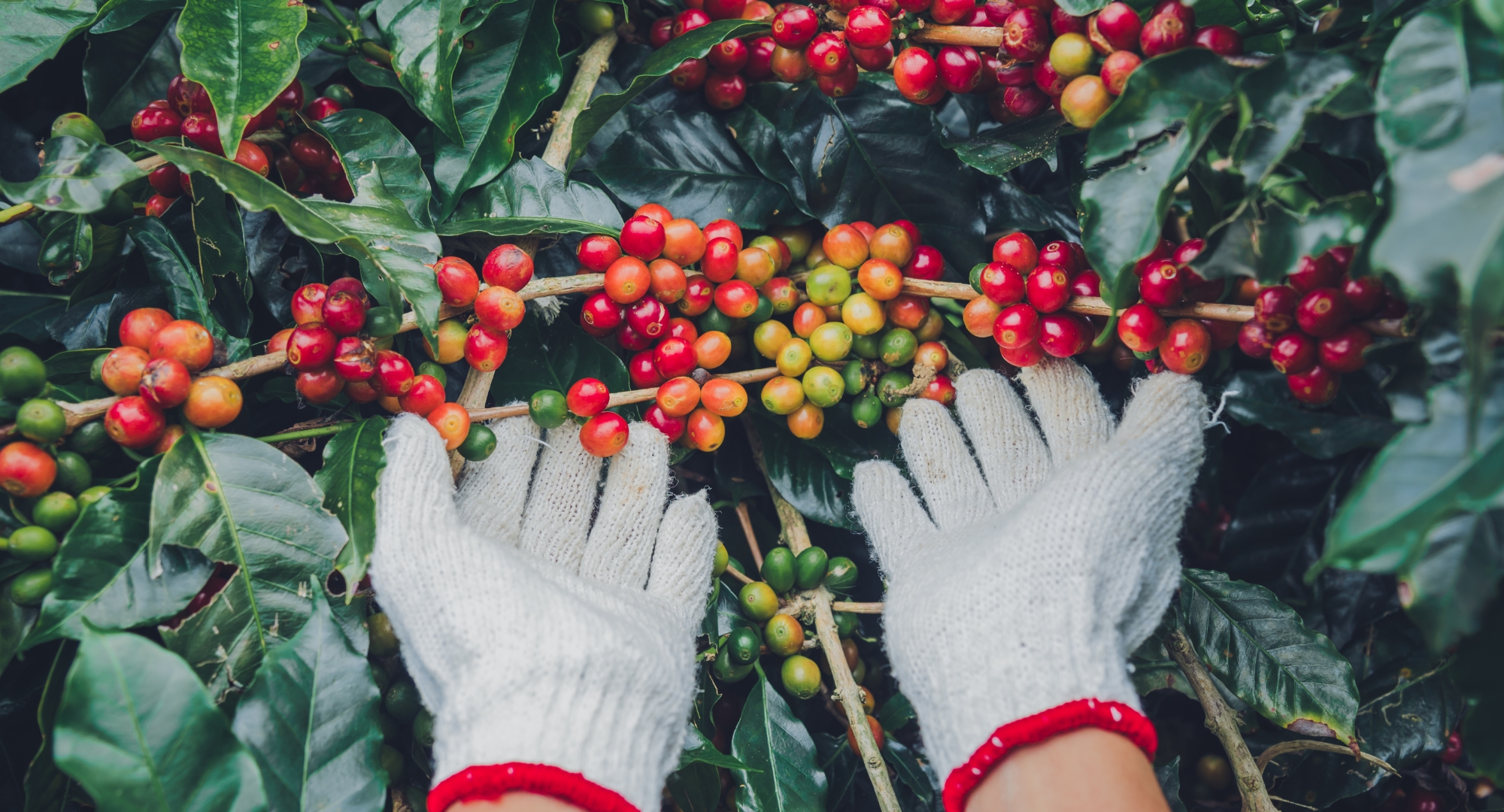
How does the coffee harvest process take place?
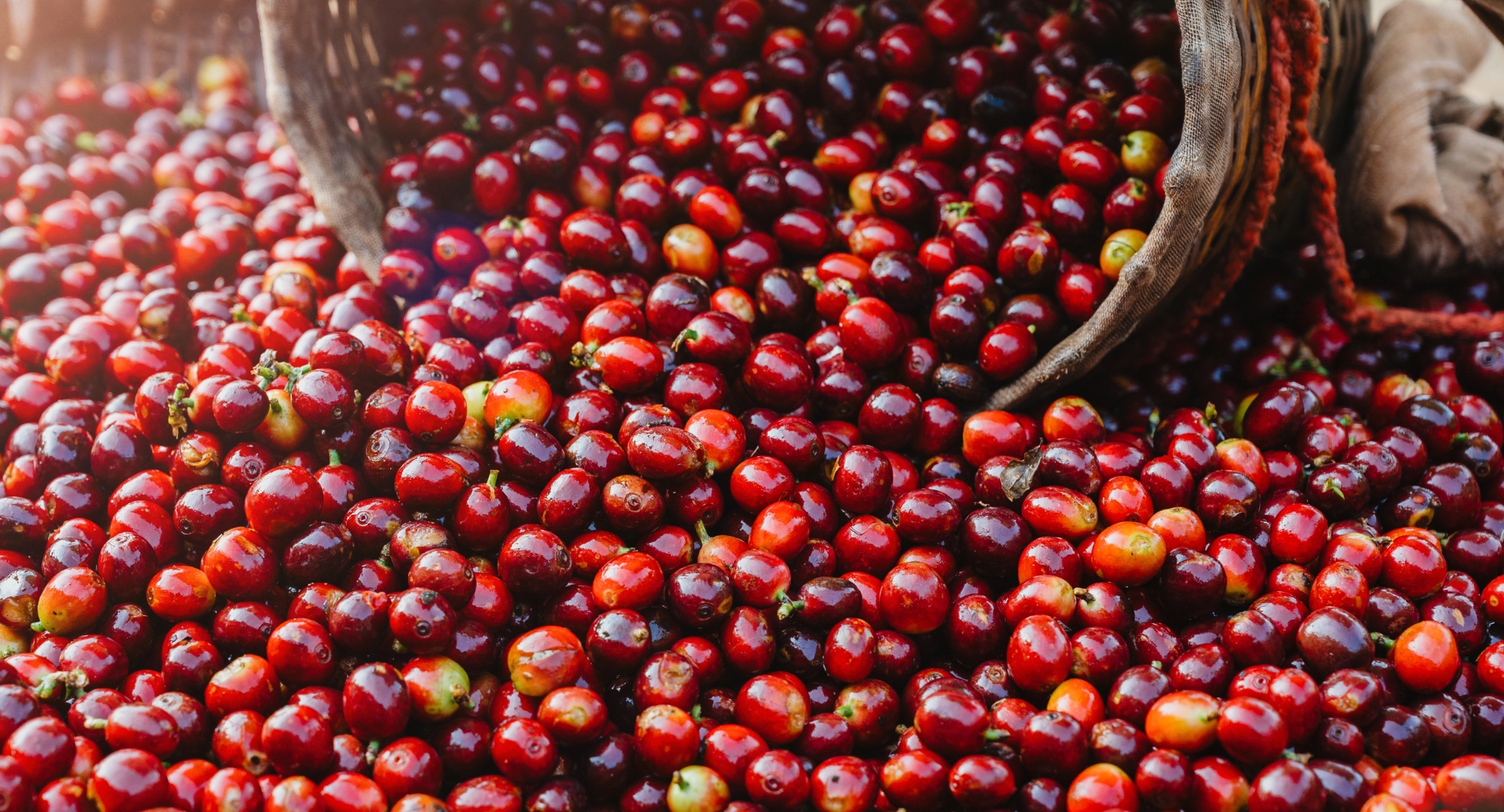
1. Observe the ripeness of the fruit: Farmers will regularly check the coffee garden to determine when the fruit is ripe. Ripe coffee fruit is usually bright red or dark red, depending on the coffee variety. Some coffee varieties ripen unevenly, so harvesting can be done multiple times in one crop.
2. Harvesting: Hand harvesting: This is a traditional method and is highly appreciated for its quality. Farmers will pick each ripe fruit one by one, ensuring that the tree and fruit are not damaged. Machine harvesting: This method is often used on large farms, saving time and effort. However, the harvester can damage some fruits and make it difficult to separate ripe and green fruits. Collecting fallen fruits: Fallen coffee fruits are also collected to ensure no waste. However, the quality of these fruits is often not as good as the fruits picked from the tree.
3. Classification: After harvesting, the coffee will be sorted to remove green fruits, damaged fruits and other impurities. Ripe fruits will be processed immediately to ensure quality.
V. Impact of Climate Change on Harvesting Time
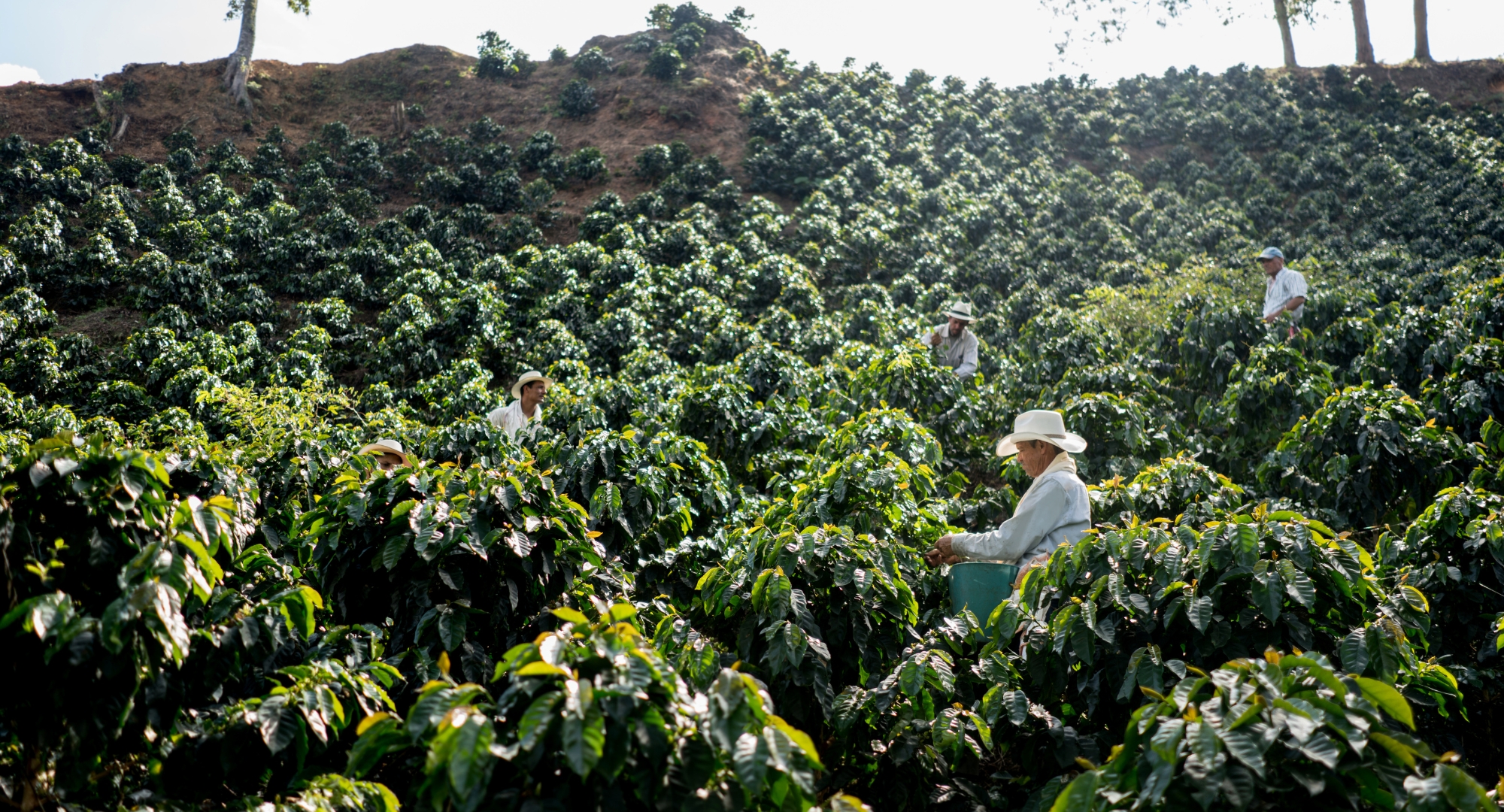
Climate change is one of the biggest challenges facing humanity, and agriculture, especially farming, is being severely affected. Coffee, one of the important industrial crops, is no exception to this rule.
Specific impacts of climate change on coffee harvest season include:
Extreme weather changes:
Prolonged drought: Lack of irrigation water will slow down the growth and ripening of coffee berries, prolonging the harvest season or even killing coffee trees.
Heavy rains and floods: Conversely, heavy rains and floods can cause soil erosion, damage crops and affect the quality of coffee beans.
Heat waves: Abnormally high temperatures can reduce the pollination ability of plants, affecting yield and fruit quality.
Changes in seasons: Climate change makes the seasons less predictable, making it difficult to pinpoint the exact start and end of the growing season.
Pests and diseases: Increased temperatures and humidity create favorable conditions for the development of coffee pests and diseases, causing damage to yield and quality. Changing growing areas: Many traditional coffee growing areas may become unsuitable due to climate change, forcing farmers to seek new lands.
To cope with these challenges, scientists and farmers are constantly researching and applying measures such as:
- Selecting drought- and heat-resistant coffee varieties
- Applying sustainable farming techniques
- Investing in efficient irrigation systems
- Developing new coffee varieties that are adaptable to climate change