



Quality grain sweet potato starch: how to choose a quality lot
Grain sweet potato starch is native starch from sweet potato roots, left as rough, irregular granules after drying instead of being milled fine. Fried onto chicken or seafood, the granules form a bumpy, crunchy coating.
This guide from Goodprice Vietnam, part of the Goodprice sweet potato starch series, explains how it differs from fine starch and how to check a lot.
Wholesale ordering for granulated sweet potato starch: Goodprice supports food factories, bakeries and distributors with advice on packing specifications, plus delivery planning and per-order quotes.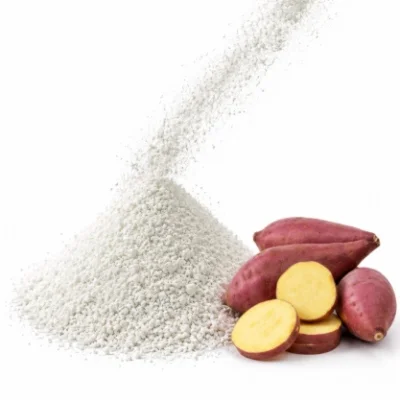
What is grain sweet potato starch?
Grain sweet potato starch is native starch extracted from sweet potato roots in the usual way, then left as irregular granules after drying instead of being milled fine. The term granular also covers other products, and the wrong one changes the coating:
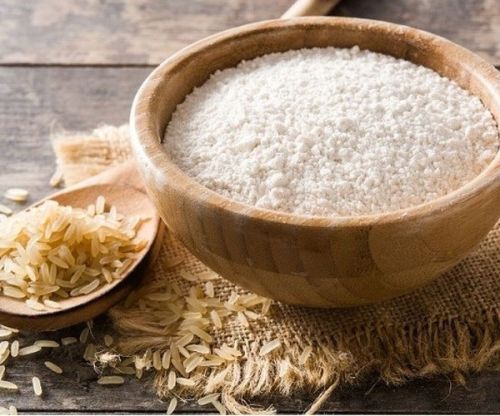
- Fine sweet potato starch: A smooth white powder for glass noodles, baked goods and binding.
- Sweet potato flour: Whole dried roots ground into powder, keeping the root's color and fiber.
- Modified granular starch: Usually corn, tapioca, potato or rice starch modified for industrial batters, not native sweet potato starch.
How is coarse sweet potato starch different from fine?
Coarse sweet potato starch differs from fine starch in how it meets water. The granules don't dissolve right away and cling to the food in clusters, frying into a bumpy, crunchy crust. Fine starch disperses evenly, pastes when heated and gives a thin coating.
On a breading line, the wrong form shows in the first batch:
| Feature | Coarse | Fine |
|---|---|---|
| Shape | Rough, irregular granules | Smooth, uniform powder |
| In water or batter | Dissolves slowly, clumps | Disperses evenly, pastes when heated |
| Fried crust | Bumpy and crunchy | Thin and smooth |
| Main uses | Coatings for chicken, seafood, pork, sweet potato | Noodles, baked goods, desserts, binding |
| Thickening sauces | Poor fit | Works, but hard to adjust |
Sweet potato starch, fine or coarse, absorbs water poorly and dissolves slowly, so it's hard to use as a thickener. A coarse crust, though, stays crisp after cooling, which matters for food that travels.
Grain sweet potato starch coats Taiwanese fried chicken, seafood, sweet potato balls and Sichuan-style crispy pork. Our guide to coarse sweet potato starch for crispy fried food covers the frying itself.
How is coarse sweet potato starch made?
Goodprice makes its coarse sweet potato starch in four stages over about 10 days:
- Washing and grinding: Fresh roots are sorted, washed and ground.
- Seven water filtrations: The slurry is filtered to remove fiber and impurities.
- Two days of cold drying: The starch firms up before heat drying.
- Four days of hot drying: At 38 to 45 °C on average, down to about 13% moisture, then packing.
How do you choose quality grain sweet potato starch?
You choose quality coarse sweet potato starch on three checks: the right ingredient list, a steady mix of granules and fines from lot to lot, and moisture, color and specks that pass on arrival.
We haven't found a dedicated standard for coarse starch. China's GB/T 34321-2017 grades fineness by 100-mesh pass rate, which doesn't fit coarse starch, so buyers judge quality grain sweet potato starch on these checks.
An ingredient list that says 100% sweet potato
Start with the ingredient list, because the product name alone doesn't tell you what the granules are made of. It should read 100% sweet potato starch.
Some products sold as sweet potato starch are made from tapioca.
The two starches fry differently. Tapioca gives a smoother crust that softens quickly as it cools, while coarse sweet potato starch keeps its crunch longer. A breading line tuned to one drifts off target if the other slips in.
To check, ask for the product declaration with its ingredient list. Then fry the new lot next to your reference sample in the same oil and compare the crunch after both cool.
For large orders, write 100% sweet potato starch into the contract or spec so every new lot has a reference to check against.
Granule size and fines
With coarse starch, the thing to keep steady isn't how even each granule looks but the split between granules and fine powder in each bag. That split sets how bumpy the crust turns out.
Irregular granules are the point of the product, since they create the crust's crunchy edges. When a bag holds too many fines from packing, transport or stacking, the coating turns smoother.
There's no shared limit yet, so agree on two things with your supplier to keep batch consistency:
- Put it in the spec: Pick one sieve size and an allowed pass rate for every lot instead of just writing coarse.
- Check on arrival: Sieve a small sample, compare it with the approved reference and log the result by lot number.
Moisture, color and specks
Moisture, color and specks are the fastest checks on arrival, because all three show up on the sample before any lab result comes back:
- Moisture: Goodprice dries this line to about 13%. Damp granules stick together and can mold in storage, especially without climate control. Use a moisture analyzer for an exact figure.
- Color and specks: Granules should be white with no dark specks, which usually come from peel or grit left after washing.
- Odor: A good sample has no sour or musty note. An off odor is a reason to recheck the whole lot.
Dry granules separate when you shake the bag and crumble under light pressure. Moisture lumps stick together and feel damp, so recheck moisture before storing that lot.
What should you check when buying coarse sweet potato starch?
Before a bulk order of coarse sweet potato starch, take care of four things:
- Run a test fry: Use your own line and batter formula.
- Write a full spec: Add the agreed sieve size and fines limit next to moisture.
- Check documents: Ask for the food safety facility certificate and product declaration.
- Plan storage: Keep bags sealed, dry and out of sunlight, and don't stack them high enough to crush the bottom ones.
Goodprice Vietnam produces its coarse sweet potato starch under ISO 22000:2018 with a 12-month shelf life, a 10 kg minimum order, 100 tons of monthly capacity and samples on request.
Wholesale ordering for granulated sweet potato starch: Goodprice supports food factories, bakeries and distributors with advice on packing specifications, plus delivery planning and per-order quotes.
Coarse sweet potato starch FAQ
Is sweet potato starch the same as potato starch?
No. They come from different roots and behave differently in cooking, so swap one for the other only after a test batch.
Can I replace cornstarch with sweet potato starch?
For frying, yes, and coarse sweet potato starch gives a crunchier crust. For thickening, use the fine form and expect a stickier texture.
Is coarse sweet potato starch the same as tapioca starch?
No, but some products sold under the sweet potato name contain tapioca. Check that the ingredient list says 100% sweet potato starch.
Where can I buy quality grain sweet potato starch in bulk?
Buy from producers that state the ingredients, share granule size and moisture specs, and send samples first, such as Goodprice Vietnam.
How long does coarse sweet potato starch last?
Goodprice's coarse line has a 12-month shelf life from production in a sealed bag stored dry and out of sunlight.
Conclusion
Quality coarse sweet potato starch is 100% sweet potato, with a steady granule-to-fines split, low moisture and clean color. This guide comes from the Goodprice Vietnam R&D team. To test it on your line, request a sample and quote with your application and volume.
Note: This guide is for reference. Run a test fry before using it in production.