



Container lost at sea – Who is responsible?
Container lost at sea – Who is responsible?
In international trade, sea freight transportation always carries potential risks. One of the rare but extremely serious incidents is a container falling overboard. When such an event occurs, cargo is lost, contracts are disrupted, and the biggest question arises: who will be held responsible for the losses?
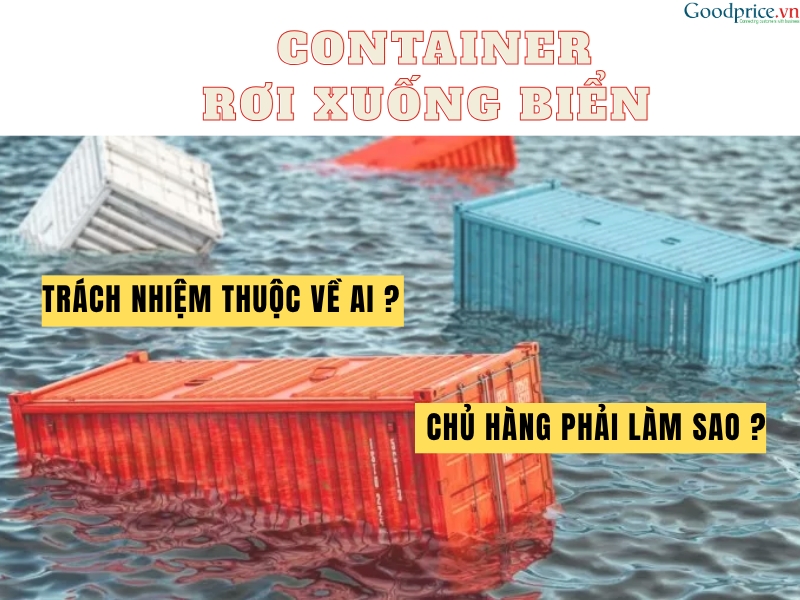
Current situation and causes of container loss at sea
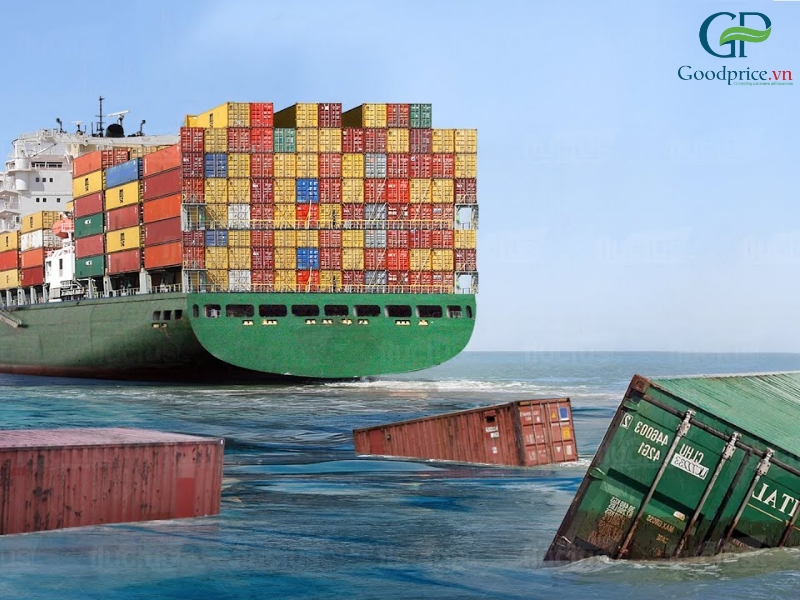
According to statistics from the World Shipping Council, an average of 700 to over 1,500 containers are lost at sea each year. Although this figure is small compared to the millions of containers shipped globally, the financial impact is significant.
The most common causes include:
- Sudden weather changes: Strong winds, high waves, storms, or powerful ocean currents can cause containers to slide off the ship’s deck.
- Improper lashing or securing: If the lashing rods or twist locks are not properly tightened, containers can shift or collapse when the vessel tilts.
- Incorrect weight distribution: When stowage is not properly balanced, heavier containers may crush lighter ones, causing instability and sliding.
- Collision or technical failure of the vessel: Mechanical issues, steering failure, or sudden maneuvers may lead to containers being lost overboard.
- Human error: Mistakes during loading/unloading operations or negligence in pre-departure inspections.
Who is liable when containers fall overboard?
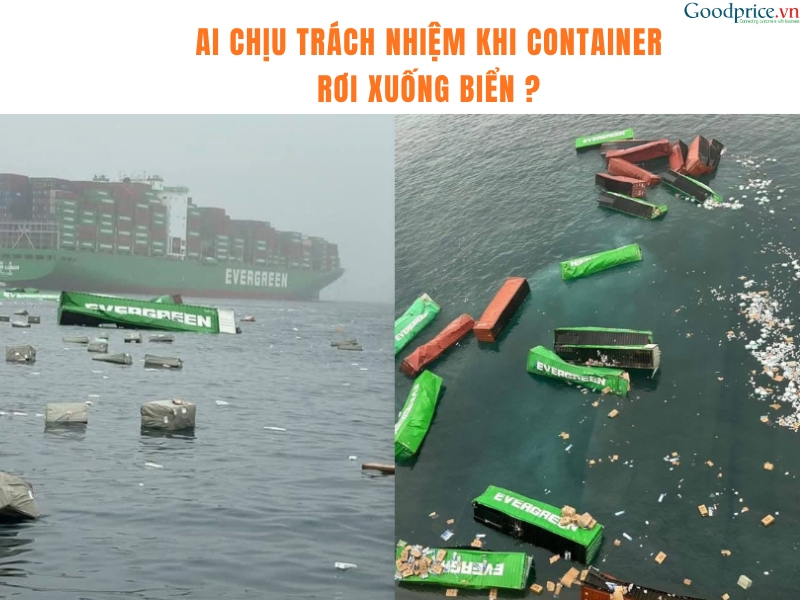
Not all container loss incidents result in the same party being liable. Determining responsibility depends on the root cause and the terms specified in the Bill of Lading (B/L).
- Carrier: If the incident is proven to result from negligence, improper stowage, or failure to ensure deck safety, the shipping line (carrier) may be held liable for compensation under international conventions such as the Hague-Visby Rules or Hamburg Rules.
- Shipper: If the shipper improperly packs the cargo or creates an uneven weight distribution leading to instability, they may be partially responsible for the loss.
- Force Majeure: In cases where the cause is natural disasters such as storms or tsunamis — classified as an “Act of God” — the carrier is typically exempt from liability.
- Insurance Coverage: If the shipper has purchased Marine Cargo Insurance, the insurance company will compensate for losses within the coverage limit and conditions stated in the policy.
Quick View: Who is responsible when a container is lost at sea?
What should shippers do when a container falls overboard?
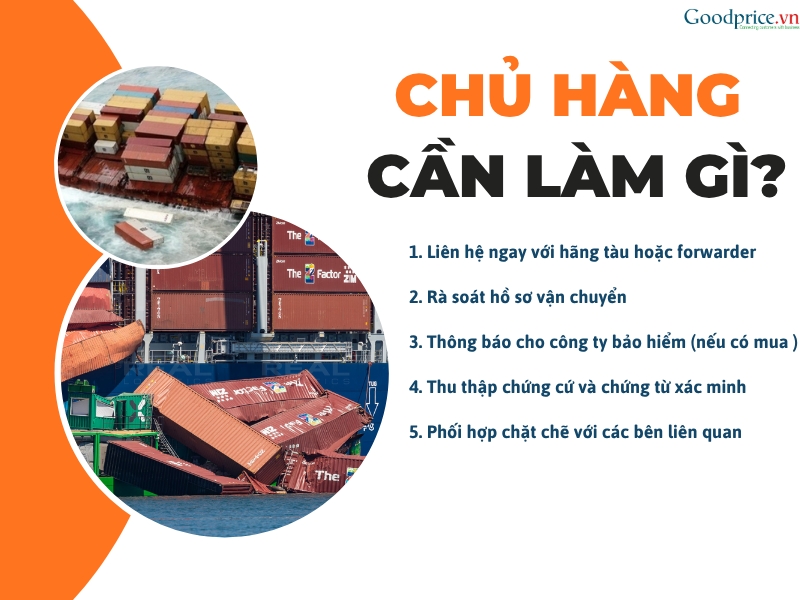
Once notified that a container has fallen overboard, the shipper should:
1. Immediately contact the carrier or freight forwarder to confirm the exact location and status of the container.
2. Review all shipping documents, including contracts, Bill of Lading, booking confirmation, commercial invoice, and packing list, to prepare for a claim.
3. Notify the insurance company (if insured) as soon as possible to open a loss file.
4. Gather supporting evidence such as incident reports, confirmation letters from the carrier, photos of the scene, or reports issued by the port authority.
5. Cooperate closely with all involved parties, as the international claims process can be lengthy and requires complete documentation.
How to minimize the risk of containers falling overboard
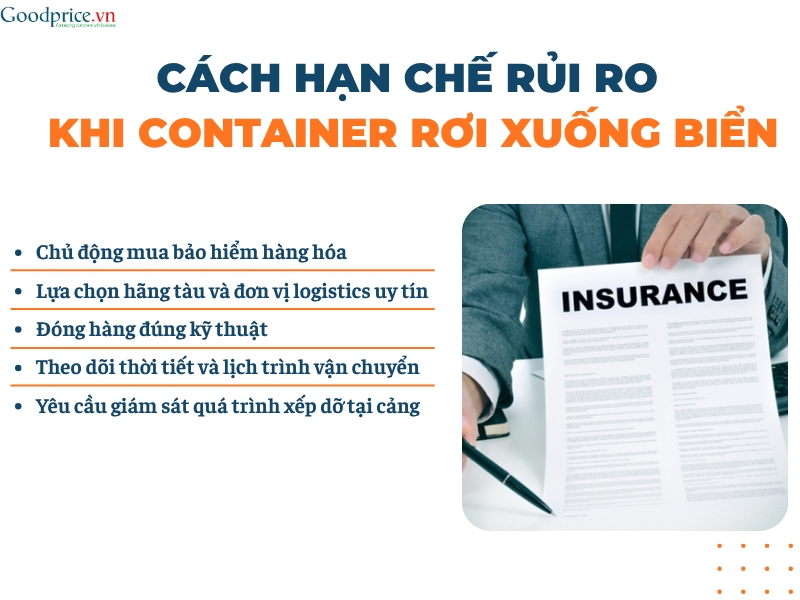
Although natural factors are unpredictable, companies can reduce the risk through the following measures:
- Purchase Marine Cargo Insurance: This acts as a financial safeguard to protect against total loss.
- Select reputable carriers and logistics providers: Choose companies with proven container handling systems and international safety certifications.
- Proper cargo stowage and securing: Ensure even weight distribution, proper blocking, and bracing—especially for heavy or unstable goods.
- Monitor weather forecasts and sailing schedules: Avoid shipping during storm seasons or in high-risk sea routes.
- Supervise loading and unloading operations: Consider hiring a third-party surveyor to inspect and photograph containers before sealing for record purposes.
Related article: What is phytosanitary inspection for export and how is the inspection process conducted?
Conclusion
Container loss at sea is a costly lesson for both shippers and carriers in the global supply chain. Although many incidents are caused by natural factors, thorough preparation and understanding of each party’s rights and obligations are key to protecting a company’s interests when such accidents occur.
In today’s complex maritime environment, being proactive in risk prevention and insurance coverage is the most effective way to ensure the safety of every exported shipment.
GOODPRICE VIETNAM CO., LTD
Email: [email protected]
Facebook: Goodprice Việt Nam
Phone: +84 906368199 / +84 916112833
Hotline: 1900636299