



Dextrose in milk tea - Where it is used and blending tips
Dextrose in milk tea is mostly found in instant milk tea powder, where it is usually blended with table sugar to give a softer sweetness and help the powder dissolve quickly. At the bar, milk tea shops more often use liquid sugar syrup than powdered dextrose.
This article explains why dextrose is used in milk tea, compares it with table sugar and fructose syrup and covers what to watch when you add dextrose to an instant milk tea formula.
Why is dextrose used in milk tea?
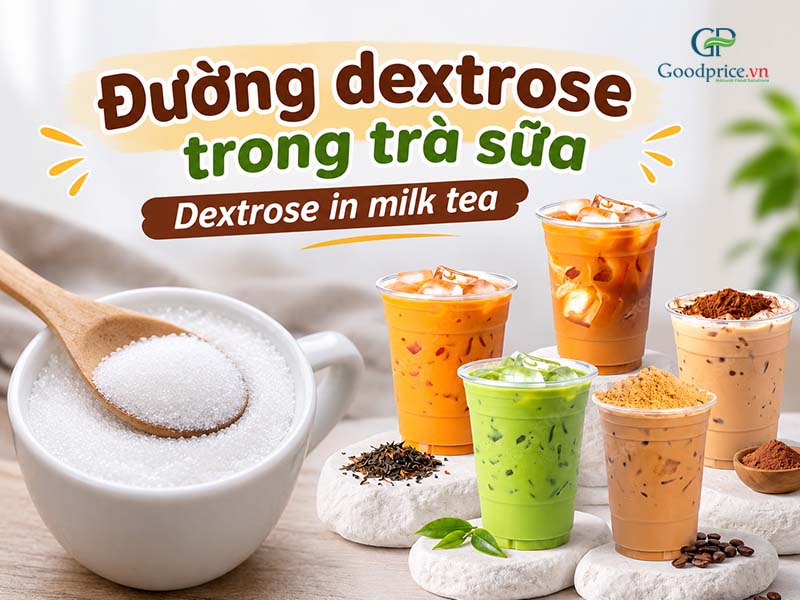
Dextrose is D-glucose in crystalline powder form, made from corn or cassava starch. In milk tea, it is chosen for three main reasons:
- Softer sweetness: Dextrose is about 70 - 75% as sweet as table sugar. Blended with sucrose, it makes the drink taste less sharply sweet against the bitterness of the tea and the richness of the milk.
- Dissolves quickly: Dextrose dissolves completely in water, which suits a milk tea powder that needs to mix in evenly.
- Keeps total solids: Manufacturers can lower sweetness without cutting the total solids in the powder, so the powder keeps its weight and volume in the pack.
Where does dextrose appear in a cup of milk tea?
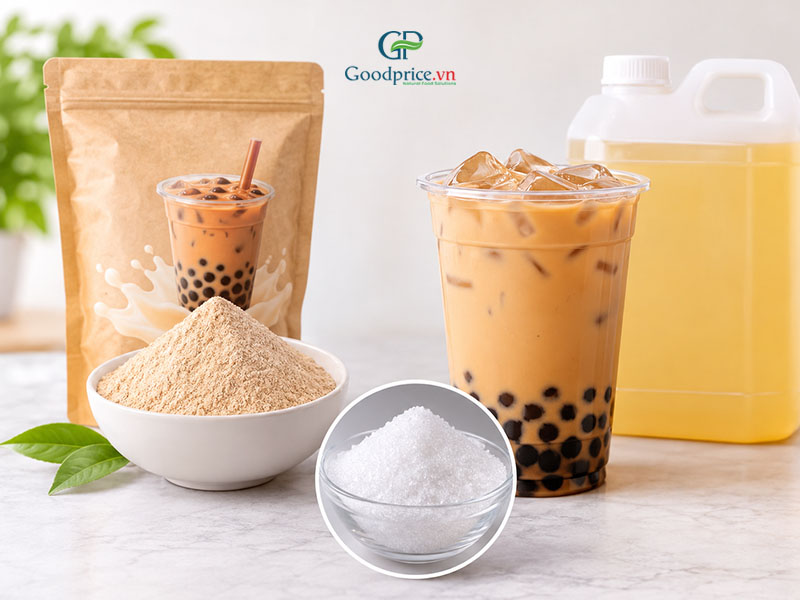
Dextrose in milk tea usually shows up in two different places, depending on how the drink is made:
- In instant milk tea powder: This is where dextrose is easiest to find. Some instant milk tea powders on the market list sugar, dextrose, milk powder, non-dairy creamer and tea extract as ingredients. The user just mixes the powder with hot water and adds ice.
- At the bar: Milk tea shops usually use liquid fructose syrup in pails, since it is already liquid, easy to measure and keeps sweetness consistent from cup to cup. That is why powdered dextrose suits instant milk tea powder better than mixing cup by cup at the bar.
Not every milk tea powder contains dextrose. Many 3-in-1 powders use only table sugar, so using dextrose is a formulation choice for each manufacturer.
Dextrose vs sugar vs fructose syrup in milk tea
All three sugars can appear in milk tea production, but each suits a different step:
| Criteria | Dextrose | Table sugar (sucrose) | Fructose syrup |
| Form | Crystalline powder | Crystals | Thick liquid |
| Composition | Glucose | Glucose + fructose bonded | Fructose and glucose (42% or 55% fructose grades) |
| Sweetness (sucrose = 100) | About 70 - 75 | 100 | Depends on grade, check the supplier spec |
| Mostly used in | Instant milk tea powder | Instant powder, homemade syrup | The bar, soft drinks |
| Strengths | Soft sweetness, dissolves quickly | Standard sweetness, widely used | Ready-made liquid, easy to measure |
| Watch out for | Absorbs more moisture than sucrose | Must be cooked into syrup for bar use | Contains water, convert on a dry solids basis |
For a deeper comparison of each sugar's technical properties, see our comparison of dextrose, table sugar and glucose syrup in food manufacturing.
What to watch when using dextrose in instant milk tea powder
Dextrose makes milk tea powder softer in sweetness and quicker to dissolve, but it also raises a few production issues to plan for:
- Control moisture: Dextrose is a simple sugar and absorbs moisture more readily than sucrose, so milk tea powder can cake when exposed to humidity. Manufacturers often add an anti-caking agent and need airtight packaging.
- Rebalance sweetness: Since dextrose is less sweet than sucrose, replacing part of the sugar with dextrose makes the drink less sweet. Test and adjust the ratio until you reach the sweetness you want.
- Account for water of crystallization: Dextrose monohydrate contains about 9% water of crystallization. When you substitute by weight, account for this water in your formula.
- Test small batches: There is no standard ratio for dextrose in milk tea powder. Test each formula with hot water and ice, then check sweetness, solubility and caking after a few days of storage.
- Labeling: Dextrose must be listed in the ingredient list in descending order of weight, like any other ingredient.
Is dextrose in milk tea bad for you?
As a food ingredient, dextrose is recognized as safe by the US Food and Drug Administration (FDA) when used under good manufacturing practice. Still, dextrose is a sugar. When added to milk tea, it counts as a free sugar, and the World Health Organization (WHO) recommends keeping free sugars below 10% of daily energy intake.
So replacing sucrose with dextrose can make milk tea taste softer, but it does not turn the drink into a low-sugar product. Dextrose in a formula still counts toward total sugars on the nutrition label.
Choosing dextrose and liquid sugar for milk tea production
When you order sweeteners for milk tea powder or a shop chain, state these requirements clearly:
- Dextrose form: Specify dextrose monohydrate or anhydrous, since the two differ by about 9% water.
- Liquid sugar specs: For fructose syrup or glucose syrup, specify the solids content and grade (fructose percentage or DE) to keep sweetness consistent from batch to batch.
- COA for every batch: Moisture or solids, purity and microbiological limits.
- Packaging and storage: Dextrose usually comes in 25 kg bags and must be kept dry and closed after opening. Liquid sugar comes in pails or drums, which should be kept closed and away from heat.
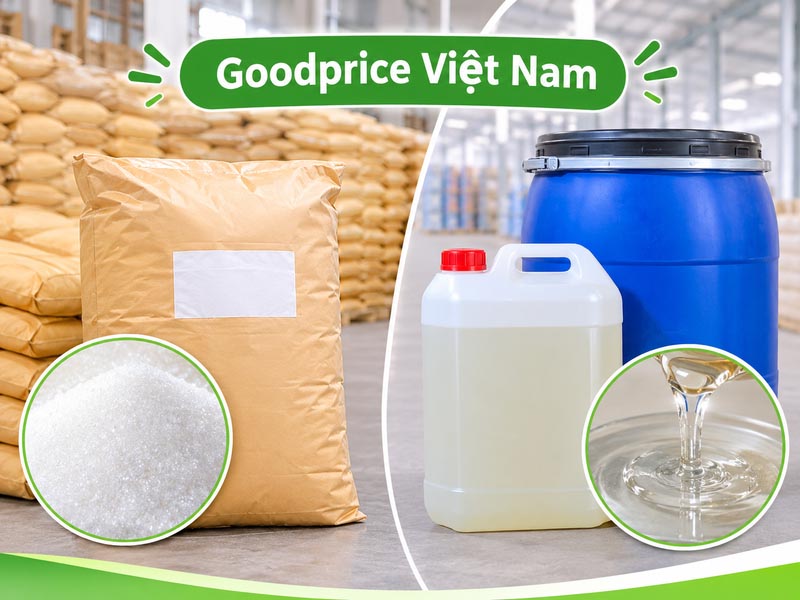
Goodprice Viet Nam directly imports dextrose monohydrate in 25 kg bags and fructose syrup and glucose syrup in pails and drums. Send us a quote request with your specifications and expected volume and we will help you choose the right grade.
Frequently asked questions
What is the difference between dextrose and glucose?
Dextrose is D-glucose, the form of glucose found in nature. On food labels and in production, dextrose and crystalline glucose powder are the same thing.
What is another name for dextrose?
Dextrose is another name for glucose (D-glucose). Because it is usually made from corn starch, it is also called corn sugar.
Can you replace all the sugar in milk tea powder with dextrose?
You can, but the powder will be less sweet and absorb moisture more easily. It is better to replace only part of the sugar and test before large-scale production.