


Phytosanitary inspection for export - Procedure and important notes for exporters
What is phytosanitary inspection and why is it important?
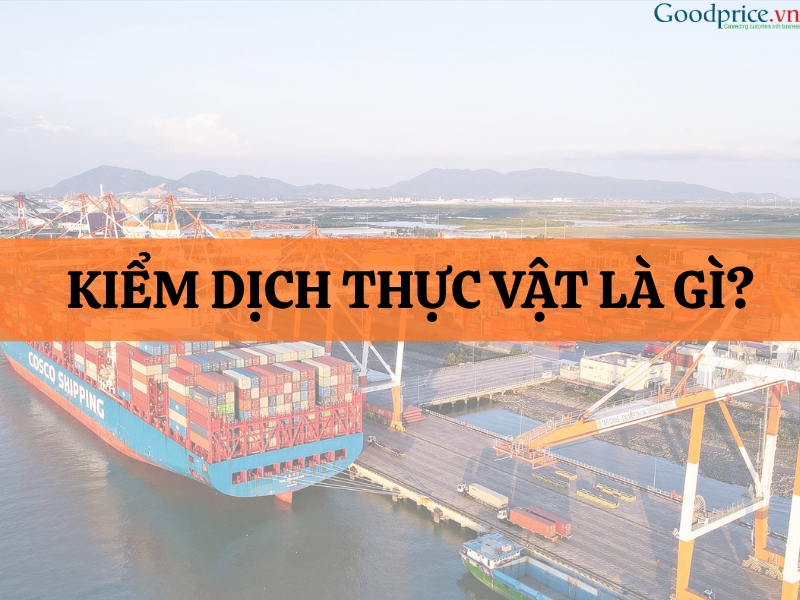
When exporting plant-based products, one of the mandatory requirements is to conduct phytosanitary inspection. This is the process performed by authorized authorities to inspect and certify that the shipment is free from pests, fungi, or harmful microorganisms that could pose a threat to the agriculture or environment of the importing country.
Phytosanitary inspection helps prevent cross-border pest transmission, ensures biosecurity compliance with the importing country, and minimizes the risk of shipment detention, rejection, or destruction at ports — facilitating smooth customs clearance and on-time delivery.
The final outcome of this process is the Phytosanitary Certificate (Phyto) — a mandatory document required for export to markets that impose plant health inspection regulations.
Types of Goods Subject to Phytosanitary Inspection

Not all export goods require phytosanitary inspection. However, goods of plant origin or those capable of carrying harmful organisms must be inspected. Common product groups include:
- Fresh fruits, vegetables, flowers, seeds, seedlings
- Round logs, sawn timber, bamboo, rattan, cane, and related materials
- Processed plant-based products (retaining natural components)
- Wooden packaging materials such as pallets, wooden crates, boxes used for export
- Fresh or dried mushrooms, and wild plants that may carry pathogens
Exporters should verify in advance with the phytosanitary authority or importer, as certain countries may have additional specific requirements, even for products not regulated in Vietnam.
Procedure for Obtaining a Phytosanitary Certificate
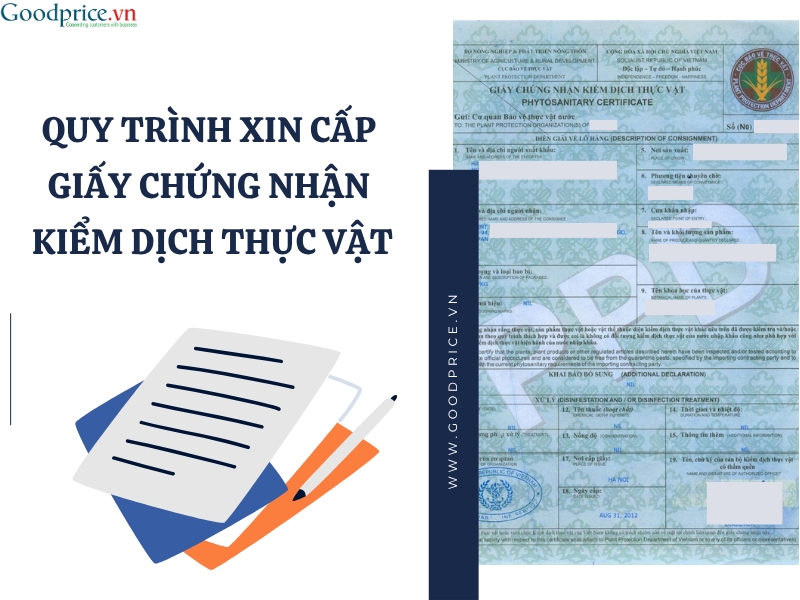
Below are the six essential steps exporters should follow:
Step 1: Register in the Phytosanitary System
Create an account on the PQS system or the National Single Window (NSW) to submit shipment information electronically.
This allows exporters to monitor and process phytosanitary applications more efficiently.
Step 2: Prepare the Application Dossier
Required documents include:
- Application form for phytosanitary inspection (official template)
- Sales Contract
- Commercial Invoice, Packing List, Bill of Lading
- Letter of Authorization (if the applicant is not the cargo owner)
Tip: Submit the dossier 1–2 days before vessel departure to avoid delays.
Step 3: On-site Inspection and Sampling
Phytosanitary officers will inspect goods at the warehouse, port, or production area, and may collect samples for laboratory testing if required.
For initial shipments or goods from high-risk regions, inspection will be more detailed.
Step 4: Receive Draft Phytosanitary Certificate
After inspection, the authority issues a draft certificate for the exporter to review.
Carefully verify all information: commodity name, HS code, quantity, scientific name, destination country, etc.
Step 5: Submit Final Dossier and Obtain Original Certificate
Once the draft is confirmed correct, submit the final documents and official fee.
If valid, the original Phytosanitary Certificate is issued within 24 working hours.
Step 6: Submit the Certificate to Customs for Clearance
The Phytosanitary Certificate is a mandatory export document.
Without it, customs will not grant clearance or will require the original certificate before shipment departure.
Watch quickly: Which yard should the container be dropped for the phytosanitary inspection?
Common Mistakes and Risks in Phytosanitary Procedures

Common issues faced by exporters include:
- Incorrect or incomplete documentation: mismatched product names, HS codes, or contract details.
- Late submission: leading to missed vessel schedules.
- Failure to update importing country’s requirements: resulting in re-inspection or cargo rejection.
- Ignoring draft verification: even small errors can invalidate the certificate.
- Regulatory changes: quarantine requirements vary by country and are frequently updated.
Learn more: Which C/O form is used for exports within ASEAN?
Conclusion
Phytosanitary inspection is not merely an administrative formality — it is the “passport” for Vietnamese agricultural products to enter international markets.
By following the proper procedure, exporters can avoid shipment delays, reduce costs, and build credibility with overseas buyers.
GOODPRICE VIET NAM CO., LTD
Email: [email protected]
Facebook: Goodprice Việt Nam
Phone: +84 906368199 | +84 916112833
Hotline: 1900636299