




Common Risks in L/C Payment That Businesses Should Be Aware Of
Common Risks in L/C Payment That Businesses Should Be Aware Of
Payment by Letter of Credit (L/C) is one of the most common methods in international trade.This form helps ensure the rights and benefits of both the buyer and the seller, as the bank acts as an intermediary to verify documents and make payments.
However, many businesses – especially those that are new to import and export – tend to be overconfident when using L/C. Failure to understand the procedures and terms of L/C can lead to financial losses or unexpected disputes.
1. Common Risks in L/C Payment
Although a Letter of Credit (L/C) is considered a safe payment method in international trade, in reality, all parties involved – from exporters, importers to banks – can face various risks if the process is not well managed.
1.1 Risks from the Issuing Bank
The bank plays a crucial intermediary role in L/C transactions. However, if the issuing bank lacks reputation, has weak financial capacity, or lacks an international correspondent network, businesses will face difficulties in document verification and timely receipt of payment.
In addition, if the importer loses the ability to make payment, the bank may refuse to fulfill its payment obligation, directly affecting the exporter.
1.2 Risks Related to Documents and L/C Terms
One of the most common risks in L/C payment is documentation error. This is the most frequent risk faced by exporters. Even a minor mistake in the document set – such as the wrong vessel name, incorrect bill of lading date, or missing signature – may cause the bank to refuse payment.
Some businesses also make mistakes by misunderstanding the terms of the L/C, such as confusing the validity period, partial shipment regulations, or loading/discharging locations. Late shipment, short shipment, or incorrect goods can also violate the L/C conditions, resulting in the loss of payment rights even though the goods have been shipped.
1.3 Risks for the Importer
The buyer may face situations where the goods do not match the description, are of poor quality, or are not received at all, even when the document set is deemed compliant by the bank.
This happens because L/C controls only documents, not the actual goods. In addition, if the seller cooperates with an unreliable carrier or shipping line, the risk of goods being damaged, lost, or delayed is high.
Since transactions are usually settled in foreign currencies, exchange rate fluctuations can also significantly increase import costs.
1.4 Legal and Operational Risks
Many businesses are not familiar with international regulations such as UCP 600 (Uniform Customs and Practice for Documentary Credits), leading to misunderstanding of obligations among parties. A set of documents considered compliant by the bank may still cause disputes if the terms in the sales contract differ from those in the L/C.
Furthermore, errors in negotiation and contract drafting – such as inconsistent transportation, delivery, or insurance conditions compared with the L/C – are also major causes of disputes and payment delays.
>>> Quick view: The perfect trap in L/C payment
2. Causes of Risks in L/C Payment

Most risks in L/C payment arise from a lack of experience and mistakes during the implementation process. Common causes include:
- Lack of understanding of L/C rules: Businesses do not clearly understand standard international terms such as validity period, delivery conditions, or document handling.
- Inconsistency between contract and L/C: The content of the sales contract and L/C conditions do not match, leading to disputes during execution.
- Unsuitable bank selection: The issuing bank lacks credibility or correspondent relationships, causing delays in document confirmation.
- Weak logistics operations: Choosing unreliable carriers, insurers, or logistics partners may result in loss or damage of goods.
- External factors: Changes in international trade laws, customs regulations, or exchange rate fluctuations also contribute to risks beyond the control of businesses.
3. Solutions to Minimize Risks in L/C Payment
To minimize risks in L/C payment, businesses should proactively implement management measures right from the contract negotiation stage.
3.1 For Exporters
- Request the buyer to provide a draft L/C for review before official issuance by the bank.
- Ensure all documents (invoice, bill of lading, certificate of origin, inspection certificate, etc.) are complete and accurate.
- Choose reputable carriers and insurance providers, and strictly comply with shipment deadlines.
- Consider hiring professional consultants or documentary specialists to avoid errors.
3.2 For Importers
- Work with reliable partners and require third-party inspection certificates for the goods.
- Clearly define insurance, shipping, and ownership transfer conditions.
- Monitor exchange rate fluctuations to plan payments proactively.
3.3 For Banks and Intermediary Institutions
- Conduct financial capability assessments of customers before opening or confirming an L/C.
- Strictly comply with UCP 600 and other international L/C guidelines.
- Provide consulting support to customers regarding documentation and payment procedures to avoid mistakes.
>>> Learn more: What is ISF? The importance of ISF filing when exporting goods to the U.S.
4. Conclusion
The L/C payment method offers a relatively safe mechanism for both parties in international trade, but it is only truly effective when all parties clearly understand the process, conditions, and comply with the regulations.
Even minor mistakes – from contract drafting, document checking to shipment handling – can turn the advantages of L/C into real risks. Therefore, businesses should actively study L/C procedures, choose reputable banks, and build a skilled team in international payment operations.A standardized and professional process not only minimizes risks but also enhances long-term credibility in global trade.
GOODPRICE VIET NAM CO., LTD
Email: [email protected]
Facebook: Goodprice Việt Nam
Phone: +84 906368199 | +84 916112833
Hotline: 1900636299
The article is of interest.

How to Make Soft and Smooth Purple Yam Mooncake Filling

Bột Khoai Lang Tím: Bí Quyết Tạo Màu Tự Nhiên & An Toàn Cho Sức Khỏe

Cách phân biệt bột bắp và tinh bột bắp
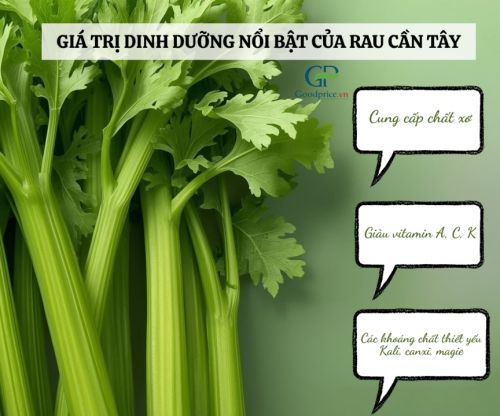
Celery – from a familiar vegetable to a high-value green ingredient

Healthy Steamed Bun Trend Purple Sweet Potato Powder Following the Rise of Brown Rice Steamed Buns