


Tapioca starch uses: what it does in food and industry
Tapioca starch uses center on three jobs in food: thickening sauces, giving noodles and boba pearls their chew, and binding processed foods without adding flavor. The same starch also works in paper, textiles, adhesives and pharmaceuticals. This guide explains why it works and when another starch is the better pick.
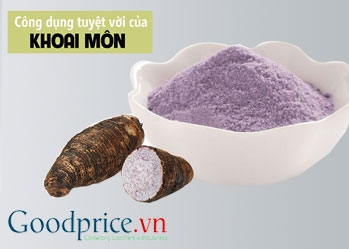
Tapioca powder, used as an ingredient in food production – a bulk source for food factories, bakeries and distributors. Goodprice offers advice on packing specifications, plus a quote for each order.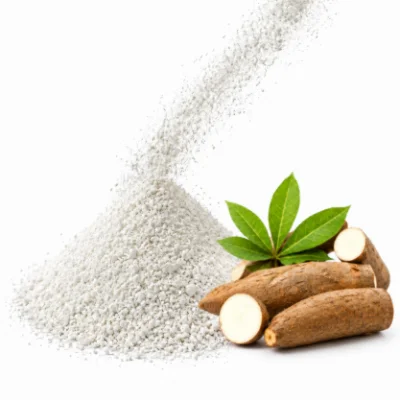
What is tapioca starch?
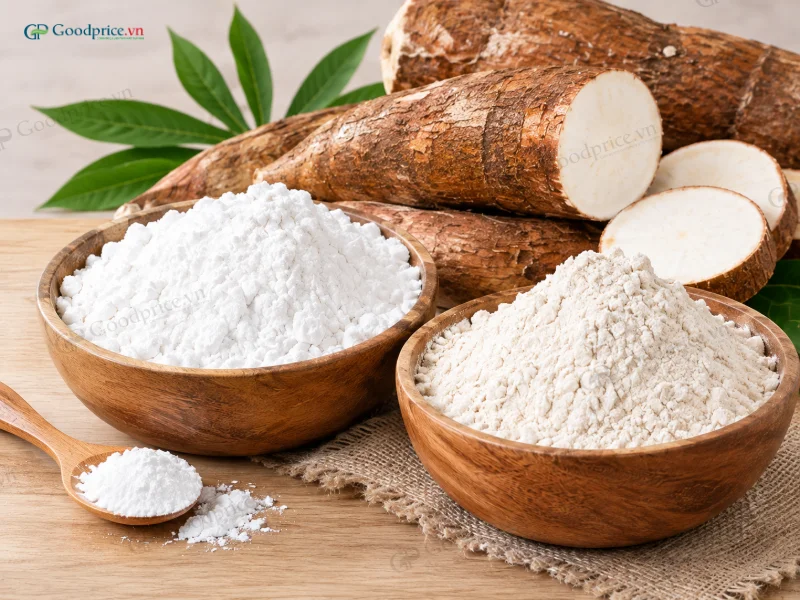
Tapioca starch is the pure starch extracted from cassava root, and in the US it's sold as both tapioca starch and tapioca flour. Bulk buyers often see it listed as cassava starch.
Producers grate the fresh root, wash the starch out with water, let it settle and dry it into a fine white powder. What's left is almost all carbohydrate, with very little protein, fat or fiber.
Before looking at tapioca starch uses, it helps to separate it from cassava flour, the product people most often confuse it with. Both come from the same root, but they're made differently and behave differently in a recipe.
| Feature | Tapioca starch (tapioca flour) | Cassava flour |
|---|---|---|
| How it's made | Starch is washed out of grated root, settled and dried | Whole root is peeled, dried and ground |
| What's in it | Nearly pure starch | Starch plus the root's fiber and some protein |
| Typical use | Thickening, chew, binding | Baking as a grain-free flour |
Modified tapioca starch is a third product: native starch that's been treated to handle acid, heat or heavy mixing.
What is tapioca starch used for in food?
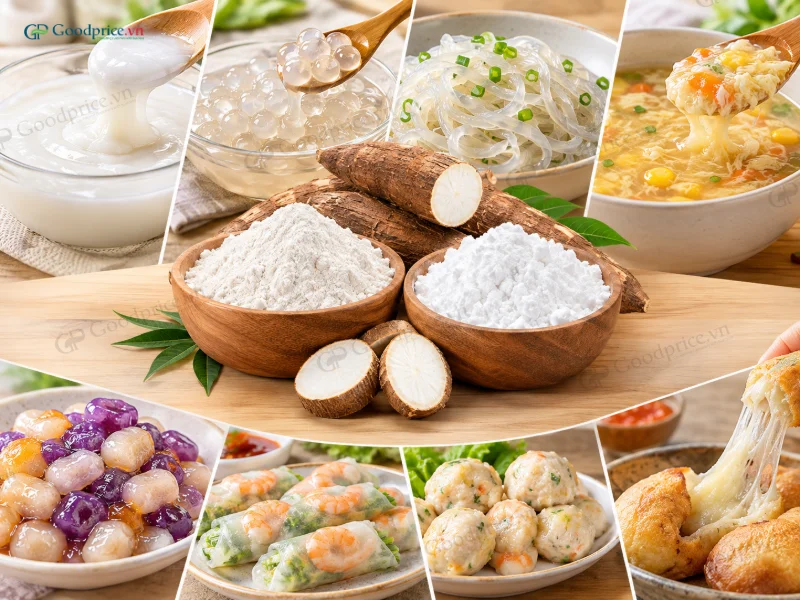
In food, tapioca starch has three main jobs: it thickens, it creates a clear, chewy texture, and it binds ingredients together. The property that rescues a thin gravy at home is the same one food plants rely on for sauces, snacks and boba. Here's how each of the main uses of tapioca starch traces back to a property.
| Use | Why it works | Typical products |
|---|---|---|
| Thickening | Granules swell in hot liquid and form a clear, bland paste | Sauces, soups, gravies |
| Stabilizing | The paste holds water, so the product separates less | Ice cream, dairy desserts |
| Chewy texture | Cooked starch turns translucent and elastic, and keeps its chew once cool | Boba pearls, tapioca noodles |
| Binding | The paste holds ingredients together as it heats | Sausages, meatballs |
| Crisping and expansion | Starch puffs and crisps when fried or baked | Snacks, fried coatings |
| Gluten-free structure | Cassava contains no gluten | Gluten-free bread, pão de queijo |
Thickening and stabilizing sauces, soups and dairy
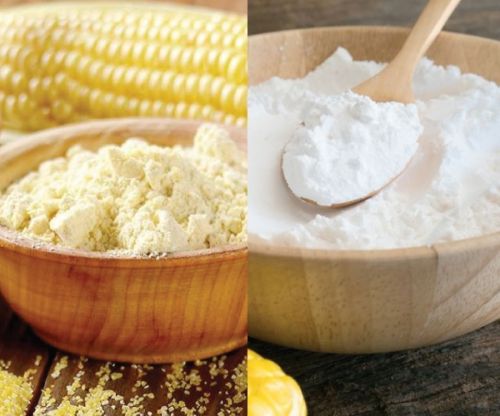
Tapioca starch thickens quickly when heated in liquid and leaves a clear, glossy finish, which suits sauces, soups and fruit fillings. Heat makes the starch granules absorb water and swell until the whole mix turns thick. Common cornstarch, by contrast, sets into an opaque gel.
Because tapioca starch has almost no flavor, it won't mask a delicate sauce. That's one reason it has long been a go-to starch for packaged soups and baby foods. In ice cream and other dairy desserts, the starch holds water inside the structure, so the product stays smooth and keeps its shape after shipping.
Usage levels depend on each formula, so run a trial batch before you scale up. Native tapioca starch is less stable in acidic or high-shear products.
Chewy texture in noodles, pearls and baked goods
The chew in boba pearls, tapioca noodles and Brazilian cheese bread comes from tapioca starch after it cooks and cools. Pearl makers knead the starch with hot water, which partly cooks it into a pliable dough that holds its shape. Once boiled, the pearls turn translucent and springy, the texture bubble tea drinkers expect.
Vietnamese bánh canh noodles rely on the same effect. Noodle makers also blend tapioca starch with wheat or rice flour to improve chew and help the strands absorb water during cooking.
In Brazil, pão de queijo uses tapioca starch as its base, which gives the rolls a lightly crisp shell around a stretchy center. Bread and noodle makers also use it to replace part of the flour and cut ingredient costs.
Binding, crisping and gluten-free structure
Tapioca starch binds meat and plant-based products, helps snacks puff and crisp, and replaces part of the wheat flour in gluten-free baking. In sausages and meatballs, it holds water and ties ingredients together, so each bite stays firm instead of drying out. In meat processing it often stands in for potato starch because it binds so well.
A light coating on fried chicken, tofu or vegetables turns crisp without soaking up too much oil.
Cassava contains no gluten, so tapioca starch is a staple in gluten-free bread, crackers and pasta. Bakers usually blend it with rice flour or other starches, since tapioca alone tends to make baked goods gummy.
If you avoid gluten for medical reasons, look for certified gluten-free labels anyway, because starch can pick up gluten from shared equipment.
Non-food uses of tapioca starch
Outside food, tapioca starch works as a binder, filler and coating in paper, textiles, adhesives and pharmaceuticals. The Thai Tapioca Starch Association lists these main industrial uses of tapioca starch:
- Paper: Starch added to the pulp before pressing fills pores, smooths the surface and keeps ink from spreading. The result is stronger paper and board.
- Textiles: Mills use it to size yarn, which cuts friction and fraying during weaving. It also helps dyes print evenly on fabric.
- Adhesives and plywood: Tapioca starch is the main raw material for dry and wet glues used on packaging, envelopes, plywood and casting.
- Pharmaceuticals: It serves as a filler in tablets and capsules.
- Sweeteners and fermentation: It's a major raw material for glucose and fructose syrups, and a carbohydrate source for MSG and lysine production.
- Biodegradable materials: Blended with biodegradable plastic compounds, it goes into bags and containers.
Each industry sets its own specs, so an industrial grade isn't a substitute for food-grade starch.
When is native tapioca starch the wrong choice?
Native tapioca starch is the wrong choice for acidic, high-shear or long-heated products, the three situations that limit most tapioca starch uses:
- Acidic products: In low-pH fruit fillings and tangy sauces, native starch is unstable and can thin out.
- High-shear processing: The paste loses viscosity quickly under strong mixing or pumping.
- Long heating or retorting: Extended cooking breaks the paste down, so the finished product loses body.
In these cases, manufacturers switch to modified tapioca starch, which is treated to tolerate acid, heat and shear. Our comparison of native and modified tapioca starch explains how to choose between them.
What to check when sourcing tapioca starch
Before comparing prices, check the spec sheet and the batch documents, because the right grade depends on your tapioca starch uses. Five points matter most:
- Starch content and moisture: These set how much you need and how long it keeps.
- Whiteness: It affects the color of the finished product, especially pearls and clear noodles.
- Viscosity: It decides how thick the cooked paste gets.
- Batch COA: It lets you check consistency from one delivery to the next.
- Food safety certification: It shows how the plant controls its process.
Goodprice runs its facility under ISO 22000:2018.
If your line also runs corn, potato or rice starch, our food ingredient guides cover each one separately.
A supply partner for tapioca starch, serving food factories, bakeries and distributors. Volume-based quotes, advice on packing specifications, and orders planned around your schedule.
Tapioca starch uses: frequently asked questions
Can you use tapioca starch instead of cornstarch?
Yes, for most thickening jobs. Tapioca starch gives a clearer, glossier finish that suits fruit fillings and sauces, while cornstarch sets more opaque.
Is tapioca starch gluten-free?
Yes. It's made from cassava root, not wheat or other grains. If you avoid gluten for medical reasons, choose certified gluten-free products to rule out cross-contact.
Does tapioca starch contain cyanide?
Properly processed tapioca starch isn't considered a cyanide risk. Washing grated root in plenty of water removes most cyanogenic compounds, and the Codex standard caps total hydrogen cyanide in edible cassava flour at 10 mg/kg.
Do you need to cook tapioca starch before eating it?
Yes. Tapioca starch only thickens and turns clear once it's heated in liquid, and suppliers recommend cooking or baking it before you eat it.
How should you store tapioca starch?
Keep it sealed in a cool, dry place, away from moisture and heat. An airtight container helps it stay usable until the best-by date on the package.
Need a steady tapioca starch supply for your line? Request the full spec sheet for our granular tapioca starch.
Note: This article is for general reference. Test usage levels and starch type for each product on a trial batch before you scale production.